
Operationalizing Predictive Analytics.
From Experiment to Enterprise Platform
Engineering Strategy
Engineering Before Algorithms
What looked like a modeling problem was actually a data availability problem. We prioritized fixing the data supply chain before tuning the predictive math.
Integration Is The Product
A forecast is useless if it sits in a database. We designed the architecture backward from the operational dashboard, ensuring insights were consumable in real-time.
Pipelines Over Patches
We moved away from ad-hoc data pulls and built repeatable, monitored pipelines. Reliability was treated as a feature, not an afterthought.
Project Overview
Industry
Enterprise Operations
Team
Data Engineering, Data Science, Operations Stakeholders
Role
Data Engineer, Platform Architect
Context
A large operational organization had developed an early forecasting model to predict critical field events. While the math showed promise, the model was a "science project" stuck in a silo.
My Role & Impact
Insight
Insight
Solution
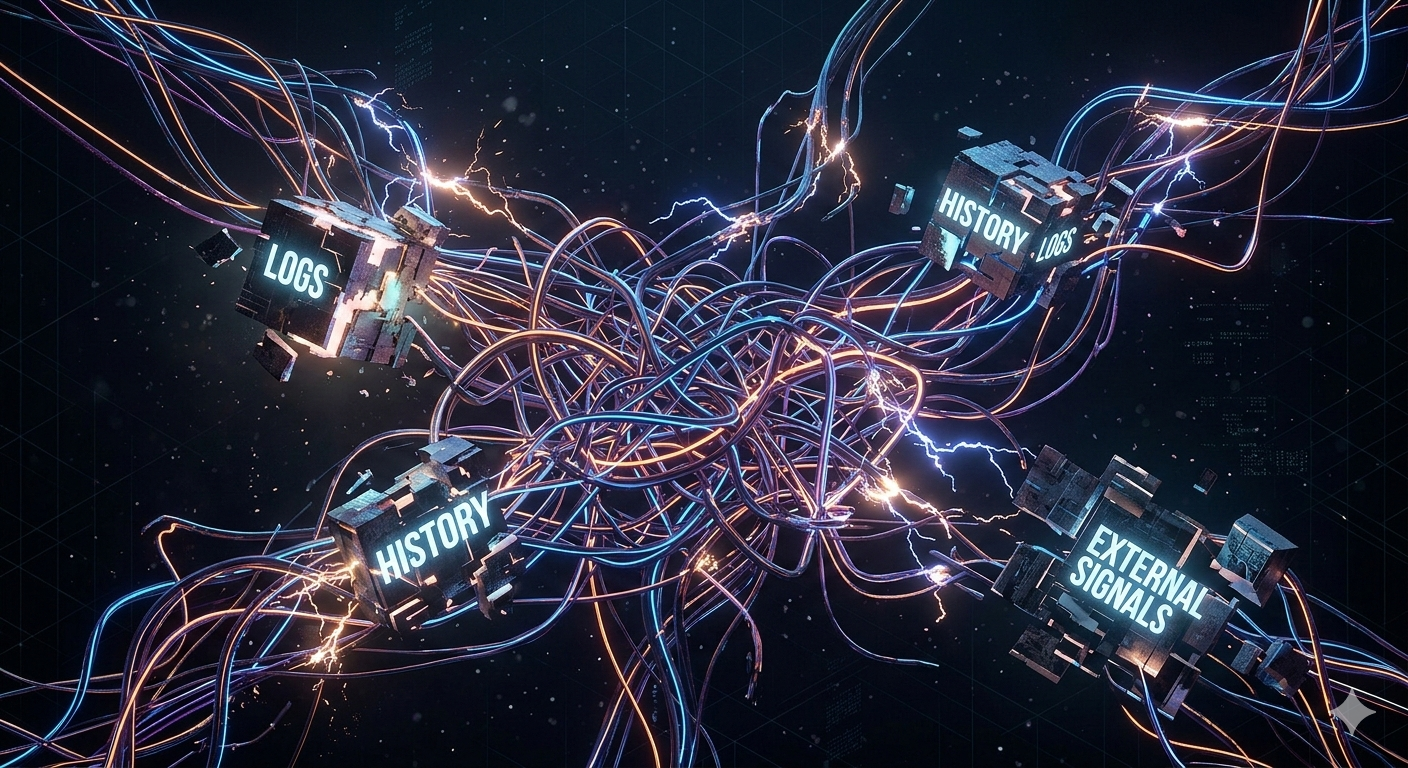
Unified Data Layer: A consolidated pipeline architecture merging internal logs, external signals, and system states.
Scalable Feature Engine: Automated workflows to turn raw, sparse data into reliable predictive features.
Production Integration: A robust framework for embedding model outputs directly into operational platforms.
Process & Execution
Architecture Assessment & Discovery
Reframed the initiative from a modeling exercise to a platform engineering effort. We audited existing workflows and identified the four core gaps: fragmentation, feature engineering, deployment, and integration.
Building the Unified Pipeline
Designed pipelines to consolidate distributed predictive signals.
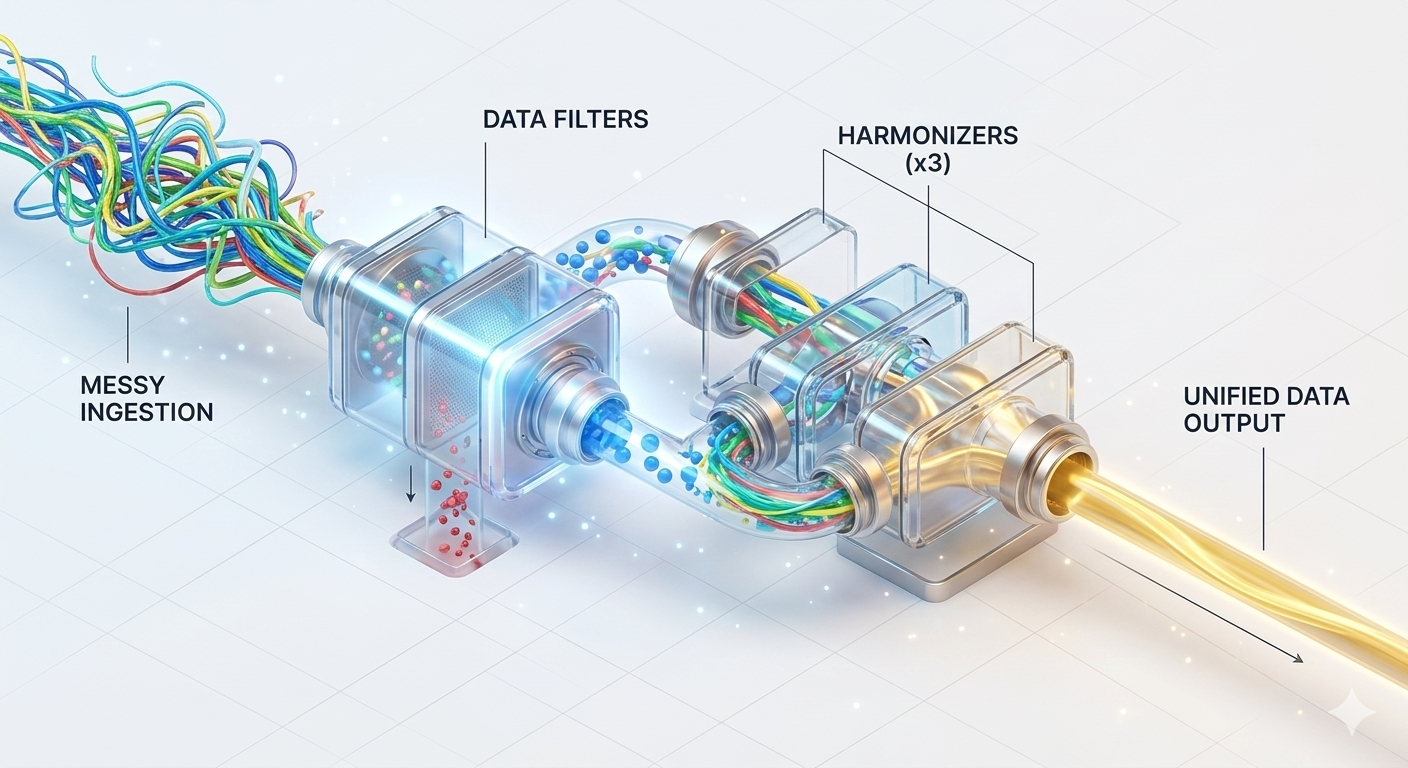 This involved heavy timestamp alignment, schema harmonization, and event normalization to create a single, trustworthy analytical dataset.
Feature Engineering at Scale
Forecast performance depended on signal quality. We engineered infrastructure to handle sparse event indicators and structured datasets to support repeatable feature generation, enabling faster experimentation.
The "Last Mile" Integration
Ensured predictive insights were actually consumed. We defined data interfaces for dashboard integration and built output pipelines that fed directly into the tools operators used daily.
 ---
---
Key Outcomes
Foundations First
By prioritizing data engineering over model tuning, we created a dataset that actually supported high-granularity forecasting, proving that better pipes lead to better predictions.
From Project to Product
We successfully transformed an isolated proof-of-concept into a scalable capability. The model is no longer a static experiment; it is an embedded part of the operational workflow.
The Engineering Edge
The project demonstrated that in complex operational environments, the barrier to AI isn't the AI itself—it's the messy, fragmented data ecosystem underneath it. We fixed the ecosystem to unlock the value.